
Guide
Using rewards to support communication practice
How to use reinforcement thoughtfully so rewards support planned effort and skill learning rather than pressure to speak.
Braverly Health
3 minute read
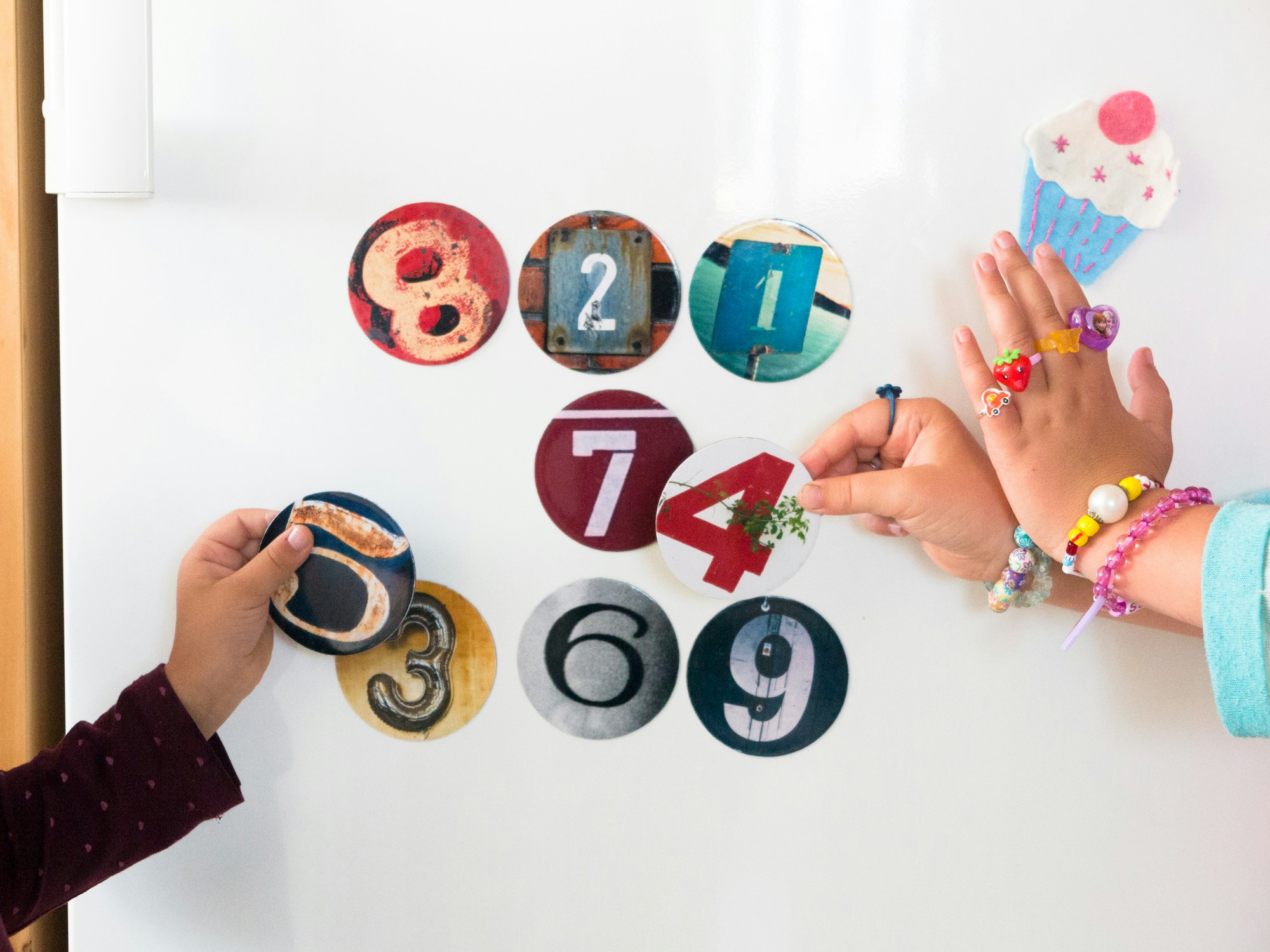
Reinforcement is part of a planned learning process
In behavioral treatment, reinforcement increases the chance that a specific practice behavior will happen again. The behavior must be clear and within the person’s current plan: showing a communication card, joining the practice activity, making one agreed sound, asking a prepared question, or completing three planned attempts.
The reward is not payment for being less anxious. It recognizes effort and repetition while the person learns a skill that is difficult right now.
Do not make the reward depend on an unavailable outcome
Avoid “You get this only if you talk” when speech may be inaccessible. That arrangement can increase shame and turn every interaction into a test. Public prize charts, bargaining in the moment, surprise offers, and removing earned rewards are also likely to undermine trust.
Instead, define the practice behavior in advance and include the backup method when appropriate. The person should know exactly how the system works before the situation begins.
Choose rewards with your child
Many useful rewards are small and immediate: choosing the next game, extra time with an activity, a sticker or point, a special role, music, or shared time with a caregiver. The reward should fit the person’s age, interests, and privacy preferences.
Ask your child which small activities, privileges, or items feel motivating and which would feel embarrassing or pressuring. Some children prefer private acknowledgment or progress toward a self chosen goal instead of a visible chart. Parents can begin with a simple one week system and adjust it from the child’s response.
Keep the system simple and temporary
State the behavior, number of repetitions or points, reward, and review date. Deliver the reward consistently and without a dramatic reaction. Once the practice behavior becomes more routine, gradually reduce external rewards while maintaining meaningful natural outcomes.
Review whether the system increases willingness and practice frequency. If it creates conflict, secrecy, comparison, or fixation on the prize, revise or stop it.
Putting this into practice
As a family, choose one small, specific practice behavior for the next week. Write the exact completion rule, select a small reward, and decide when it is earned. Keep every earned mark and do not add a harder speaking requirement in the moment.
At the end of the week, ask whether the system felt fair, private, and helpful. Keep it, simplify it, change the reward, fade it, or stop it based on the child’s experience and the practice pattern. Seek treatment-team help if the system repeatedly creates conflict or the practice goal remains out of reach.
Sources and further reading
Related Braverly information
Back to all resources
KEEP EXPLORING
Helpful next steps
Explore how care works or start a secure inquiry.
CONTINUE EXPLORING


